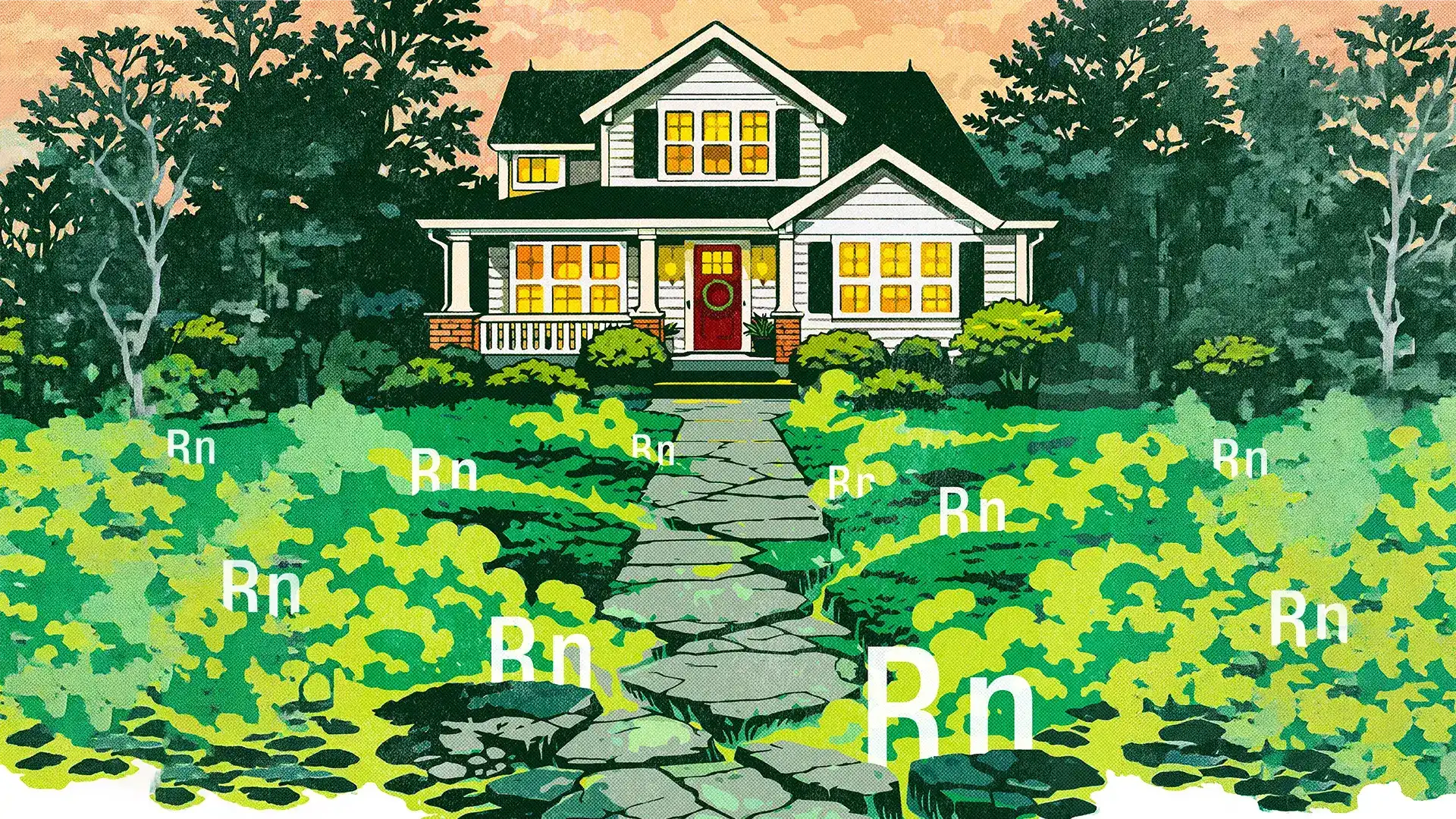
It can’t be seen, smelt or heard, but when it accumulates indoors, it is a potentially significant health hazard. We’re referring to radon, a radioactive gas with health risks that many people are unaware of. Its impact on the body should not be underestimated: High radon radiation levels of over 4.0 pico-curies per liter of air (pCi/L) correspond to approximately 200 X-rays per year—the maximum number recommended by the United States Environmental Protection Agency is five. In America, radon is the second leading cause of lung cancer.
“Elevated levels are measured in about one in every 15 households in the United States,” says Avery Festa, whose father founded Festa Radon Technologies in Pennsylvania, back in 1996, in response to this critical issue. Festa Radon Technologies develops solutions to combat this radioactive gas. The market is still relatively young: “The problem is that many people don’t know how dangerous radon can be indoors. But awareness is steadily increasing.”
Radon (Rn): An invisible threat
Radon is a naturally occurring radioactive gas that is produced when uranium decays in soil, rock and water. According to estimates, around 20,000 people in the European Union die each year as a result of increased radon exposure, with around 1,900 to 2,800 cases annually in Germany. Regions with granite-rich soils are particularly affected. In Europe, these areas include the Massif Central and Brittany in France, the Alpine foothills, the southern Black Forest and Bavarian Forest in Germany, the Swiss Alps, and South Tyrol. In America, the northern US states of Pennsylvania, Colorado and Illinois in particular have elevated radon levels.
Radon occurs in low concentrations in outdoor air and becomes dangerous indoors only when there is insufficient air exchange. It can penetrate through cracks in floors, walls and building joints—and can even diffuse through concrete.
Sources: Aponet, German Federal Office for Radiation Protection
Prevention is key
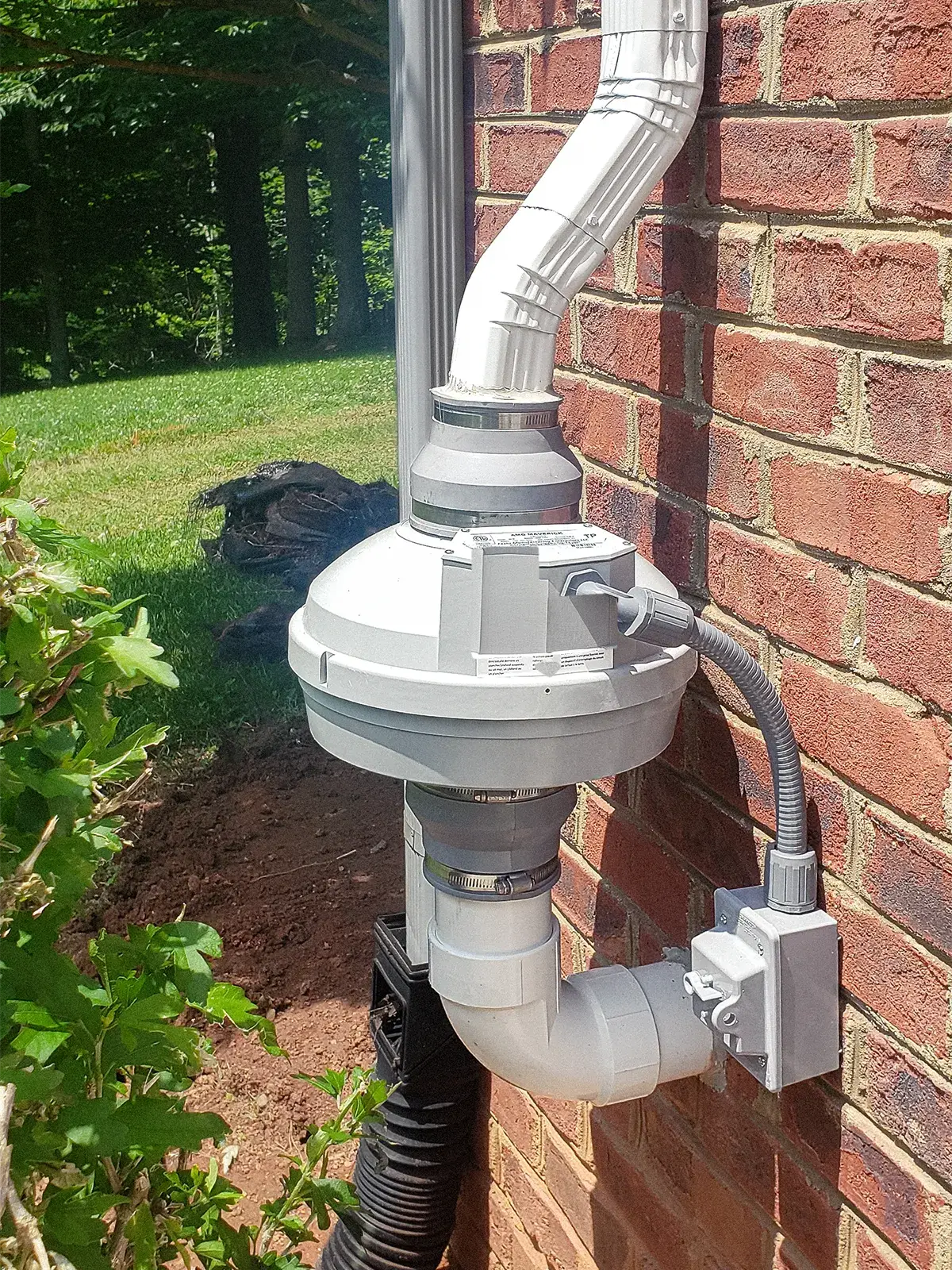
In addition to a catalog of radon-related accessories like measuring devices and system components, Festa Radon Technologies offers a lineup of radon mitigation fans. These systems consist of a network of pipes connected to a radon fan. The fan generates air flow and pressure which prevents radon gas from infiltrating the structure.
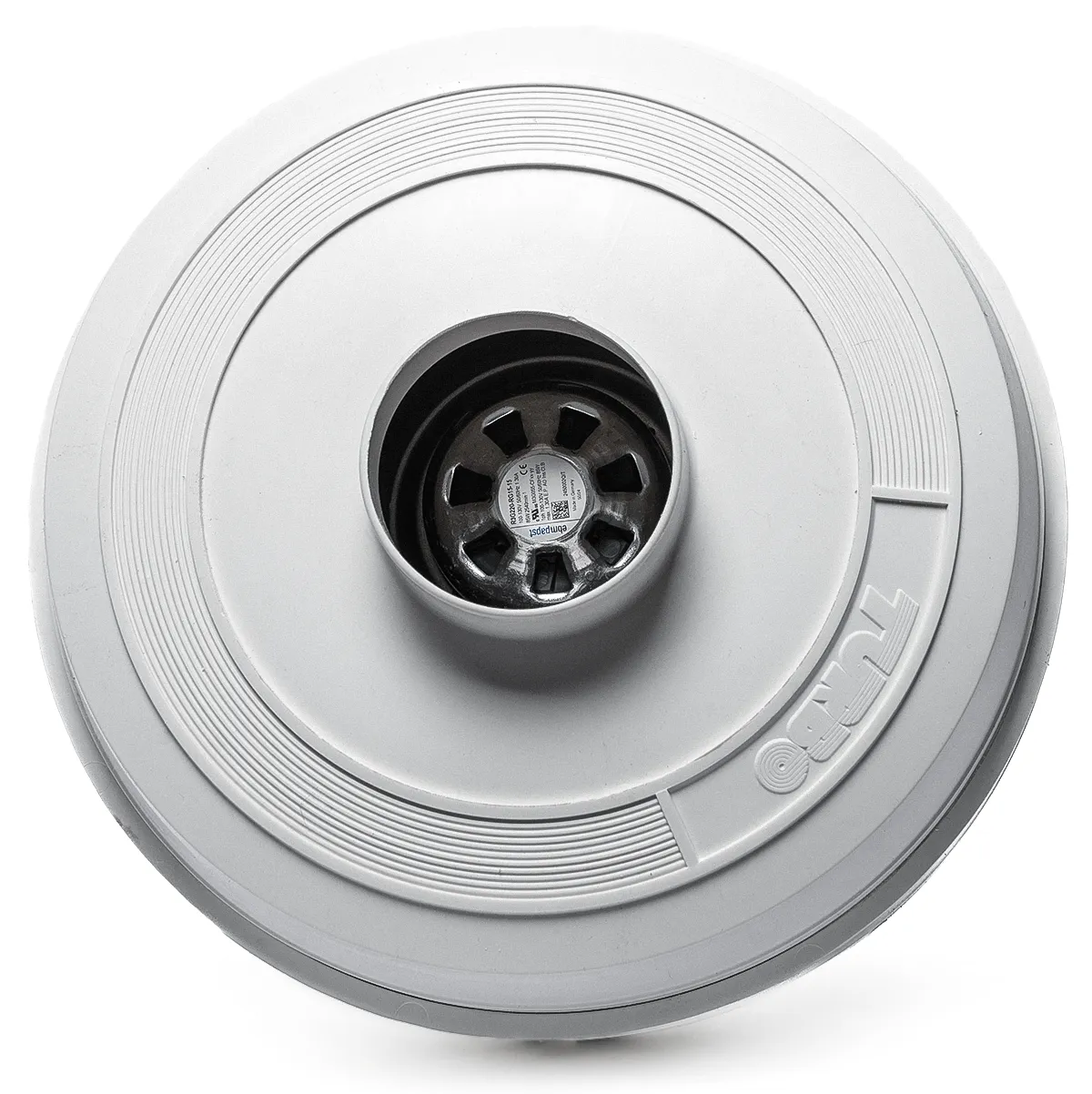
Festa relies on ebm-papst’s backward-curved radial fans. The fans are installed in a casing, to which capacitors and other small components are added—making the fan fit for use in the extraction system.

The partnership between the two companies has been continued since the late 1990s: “ebm-papst has always impressed us with its innovations, high-tech solutions and, above all, the people that we collabo-rate with. Together, we work to create the best products for our customers,” says Avery Festa. George Riker, Business Development Manager at ebm-papst, has positive memories of the early stages of the collaboration: “We’ve been working with Festa since the late 1990s, when radon mitigation was still a new market. In those early years, we provided them with valuable engineering services. The backward-curved impeller is what drives these systems, and our environmentally robust motors ensure reliability in harsh environments.”
Their variable and precise speed control makes the EC fans ideal for radon management: “They offer consistent and reliable performance and are characterized by their long service life, low maintenance requirements and high efficiency,” says Riker. They also reduce energy costs: “The EC fans have a much lower power consumption and higher performance than our AC fan counterparts, reducing power consumption by up to 45 percent in some models,” says Festa. In addition, EC motors are pleasantly quiet—an advantage that is particularly appreciated by residents. Although ebm-papst still currently supplies fans with AC motors, “our goal is to gradually convert the industry to EC technology,” says Festa.
The goal: Combat radon before it becomes dangerous
Radon emanates from the ground and enters buildings through small cracks in the foundation slab. Various factors, including HVAC systems and the chimney or stack effect, create negative pressure within the structure that pulls radon into the building. When radon accumulates indoors, HVAC or ventilation systems distribute the harmful gas throughout the building.
Prevention is beneficial, and in the US, a radon test is standard practice before buying a house. If radon levels in the building exceed permitted limits, the seller needs to install a mitigation system. “There are specialists for radon mitigation, and they are our most important customers,” explains Avery Festa. “But homeowners are also interested in our solutions.”
“The fan is the heart of the radon system.”
Avery Festa, Festa Radon Technologies
Indoor air made safe through fan technology
Active soil depressurization (ASD) is the most common and effective method for reducing radon levels. The Festa radon removal system has two functions: It actively extracts radon from the soil to the beneath the slab outside and, at the same time, creates negative pressure so that the gas cannot enter the house in the first place. For the removal system to work, all cracks and gaps in the floor slab must first be sealed. The installers then drill a hole through the floor slab and dig a so-called “suction pit.” A pipe is connected to this sealed hole, which leads from the floor to the outer wall of the house. This is where the fan is located. It generates air flow and negative pressure, ensuring that the radon present is safely discharged above the roofline and cannot infiltrate the structure.
The importance of durability
Radon extraction fans are often exposed to harsh environmental conditions. Because they are vented through the roof, they must continuously withstand moisture, rain and condensation. “The fan must also be able to cope with other challenges like sediments, debris and temperature changes,” says Festa. The fans are in constant operation—24 /7, 365 days a year—and must maintain a consistent suction pressure. Festa Radon Technologies is able to offer its customers a seven- year warranty. “We are very proud to be able to offer the most reliable products on the market, and we owe this not least to the fans from ebm-papst,” says Festa.
Leave a comment