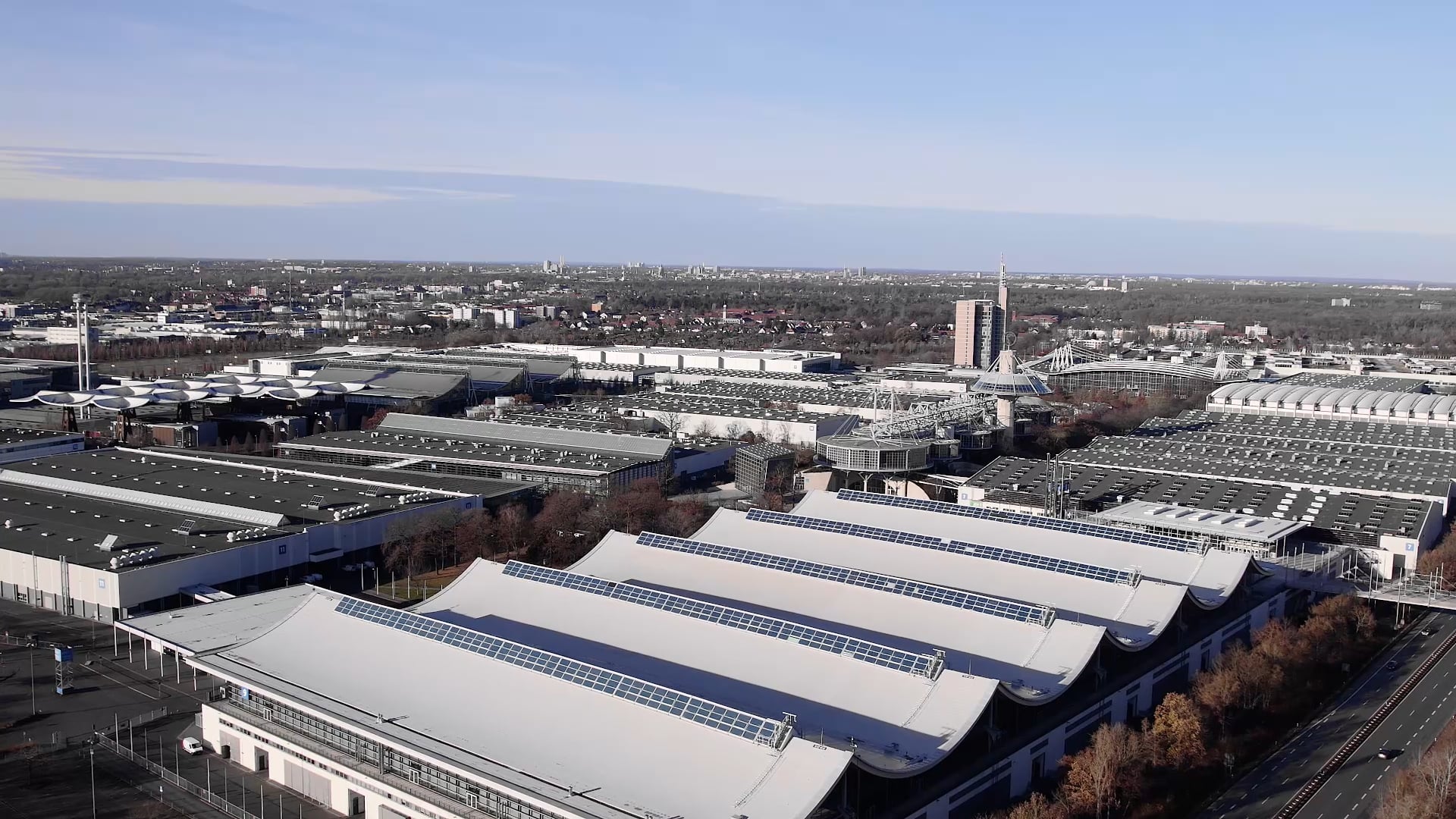
With 24 exhibition halls, four pavilions, 392,500
So, at the end of 2025, ebm-papst neo launched a data-driven analysis in collaboration with the trade fair operator. Under the leadership of Dieter Hildebrandt, Senior Solution Engineer, the team conducted measurements in several halls. They found that many systems were operated using inefficient AC technology and ran near full capacity regardless of actual demand, resulting in high energy losses. The team discovered significant opportunities for savings—particularly through the use of efficient EC fans and demand-based control.

Together with Christina Willers, HVAC (Heating, Ventilation and Air Conditioning) Project Manager at Deutsche Messe AG, the decision was made to launch a pilot project in Pavilion 36 which operates year-round and offered the possibility of developing a transferable concept to other halls. Implementation began in March 2026. Together with Stephan Jendrallek and his company Jendrallek Lüftungsanlagen, the existing system was modernized.
Christina Willers
HVAC Project Manager
Deutsche Messe AG
Christina Willers
HVAC Project Manager
Deutsche Messe AG
Stephan Jendrallek
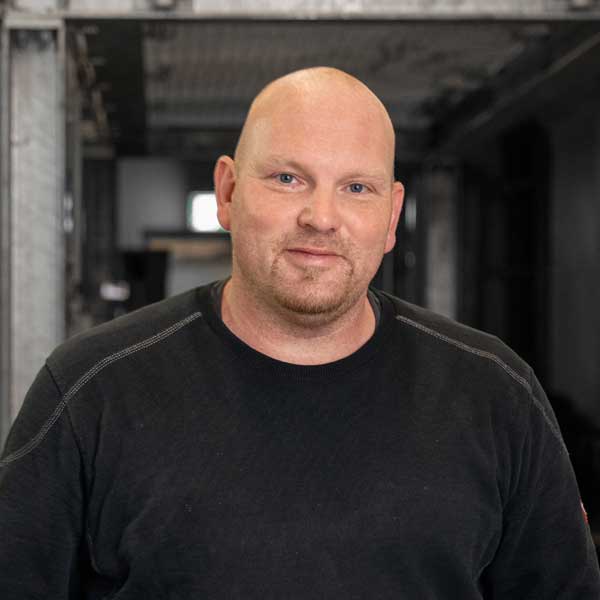
Managing Director
Lüftungsmontagen Jendrallek
Stephan Jendrallek
… ist Geschäftsführer bei Lüftungsmontagen Jendrallek und übernahm mit seinem Team den Abbau der alten Anlagen und die Montage der neuen Lösung.
Managing Director
Lüftungsmontagen Jendrallek
Dieter Hildebrandt
Senior Solution Engineer
ebm-papst neo
Dieter Hildebrandt
Senior Solution Engineer
ebm-papst neo
“The old systems are no longer efficient enough.”
Christina Willers explains why Pavilion 36 was selected for a retrofit.
Insufficient capacity, excessive energy consumption
Instead of the required airflow of up to 60,000 m³/h, the two ventilation systems in Pavilion 36 were only achieving around 47,000 m³/h at the time of measurement. The outdated AC fans operated inefficiently and could not be flexibly adapted to actual demand. The building’s inadequate insulation further exacerbated losses.
“This facility runs 24/7”
Dieter Hildebrandt explains why Pavilion 36 consumes so much energy.
Dismantling at a lofty height
The ventilation systems are located on the roof of the pavilion—making the dismantling process correspondingly complex. The old AC fans first had to be transported from the equipment room to the roof before a crane could remove them.
The scope of the retrofit
The retrofit team upgraded both ventilation systems with a total of six RadiPac C Perform fans in sizes 500 and 560. The new fans operate in a FanGrid configuration of two and four fans, respectively. This ensures more even air distribution, higher reliability, and significantly better part-load performance. At the same time, the control cabinets were replaced and the system was prepared for digital connectivity.
“We now run the fan at its optimal operating point.”
Dieter Hildebrandt explains which NEXAIRA products were used in this retrofit.
All data at a glance
The NEXAIRA Dashboard makes the system fully transparent for the first time. It displays airflow rates, power consumption and the operating status of individual fans in real time. Environmental data such as pressure, temperature, humidity and CO₂ are also recorded. Operators can now detect deviations early, adjust operating strategies specifically and thus continuously optimize energy usage.
“That’s a lot of energy.”
Christina Willers on the transparency NEXAIRA.Fit will bring.
Efficiency that pays off
The retrofit in Pavilion 36 is paying off: Annual cost savings amount to 20,000 euros, which means that investment pays for itself in under two years. At the same time, the modernized system achieves air flow rates of up to 60,000 m³/h, while consuming approximately 11 kW less energy during operation.
“We expect significant energy savings.”
Christina Willers discusses the benefits of the retrofit for Deutsche Messe AG.
this is a perfect retrofit. Working on the same in two of our hotels.