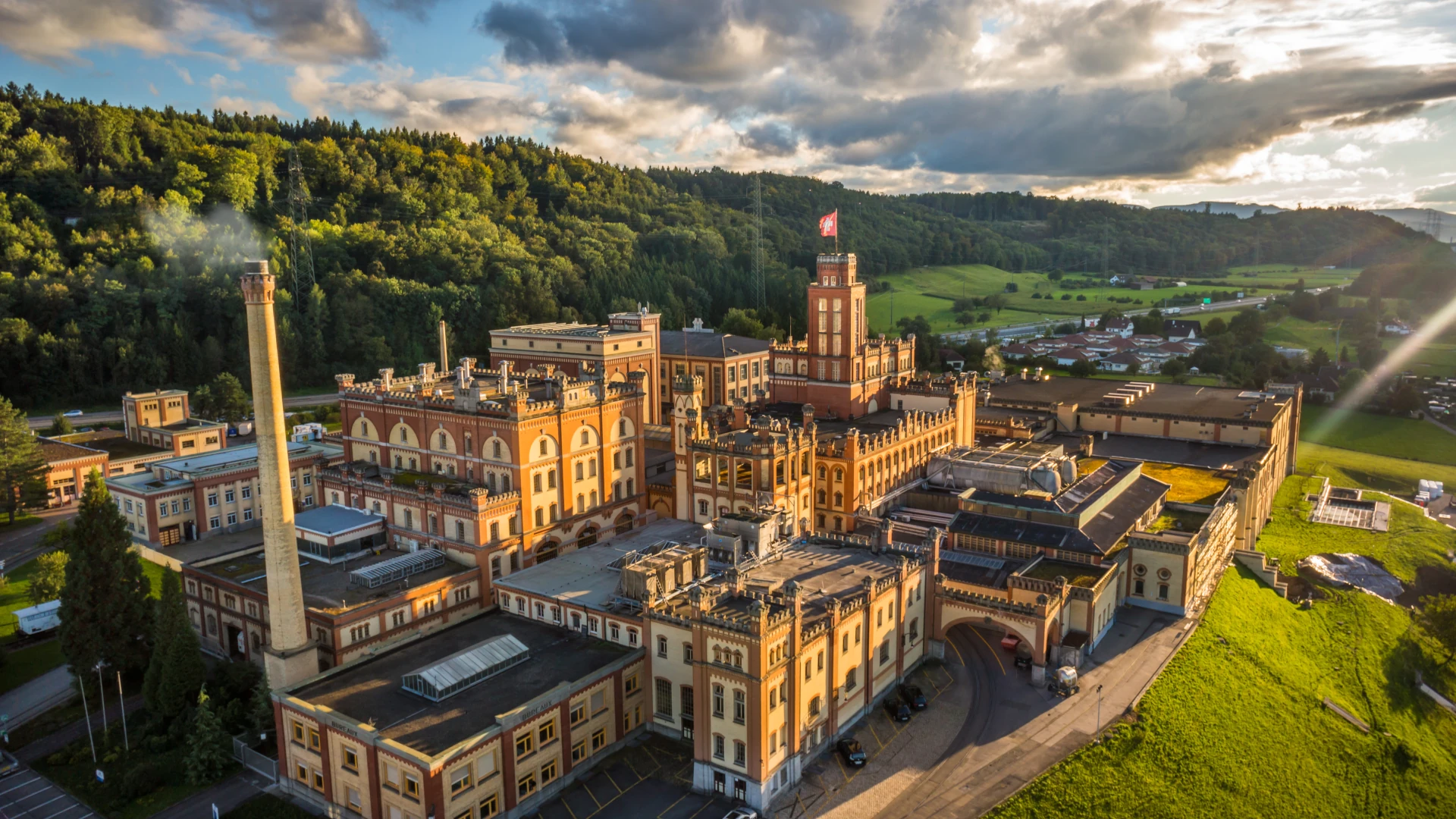
The Feldschlösschen brewery is a landmark in Rheinfelden, with its striking architecture and nationally renowned beer. It was founded in 1876 by Theophil Roniger and Mathias Wüthrich and built in the “castle renaissance” style. This was intended to give the company a dignified, prestigious appearance that honored the old brewing tradition. At the same time, Feldschlösschen was often ahead of its time. As early as 1889, it had a railway siding connection so that beer could be delivered nationwide. From 1912 onwards, the brewery horses were replaced by trucks – and today, electric trucks, powered by their own solar energy, deliver the beer in a CO2-neutral way.
The brewing process itself is also modern. Highly automated brewing systems digitally control the mashing and fermentation, combining traditional brewing artistry with the latest technologies. Another example of the innovative approach is the retrofitting of a ventilation system with RadiFit EC fans from ebm-papst.
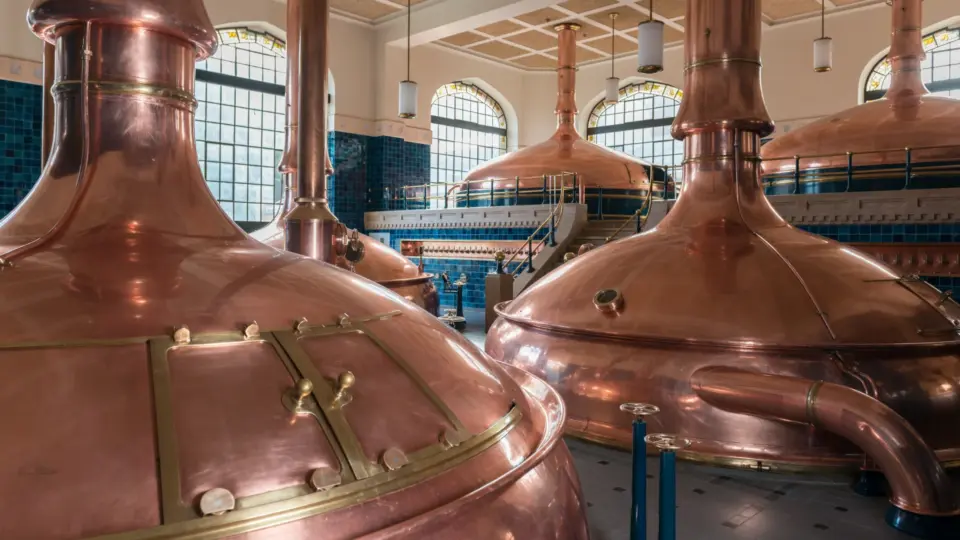
Highly automated brewing systems control mashing and fermentation digitally. (Image | Feldschlösschen Supply Company AG)
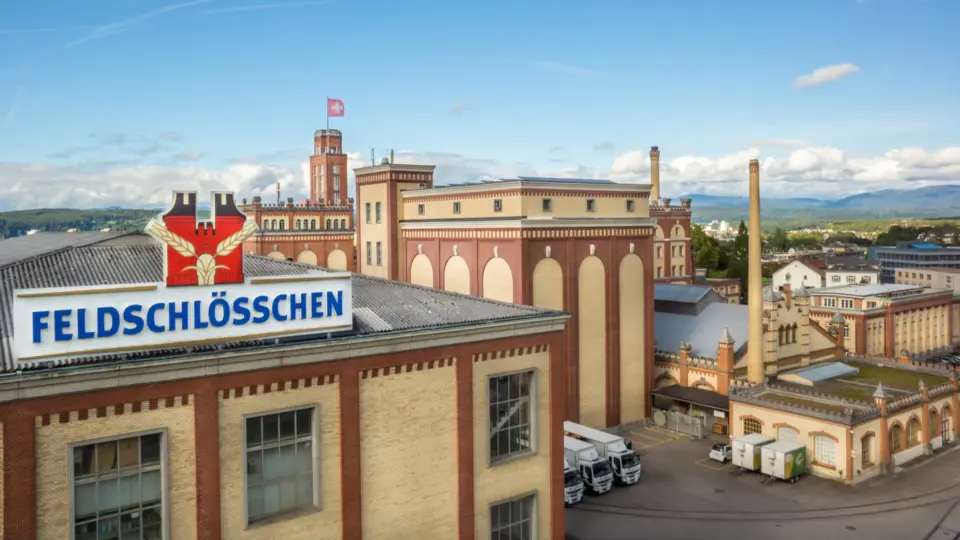
Electric trucks powered by their own solar energy deliver the beer in a carbon-neutral manner. (Image | Feldschlösschen Supply Company AG)
RadiFit: Uncomplicated and effective
When the ventilation in one of the employee changing rooms at Feldschlösschen stopped working – the impeller of the respective AC fan had broken off from its mounting after countless years of operation – a rapid maintenance measure was required. The challenge was met by installing the old fan in a large monoblock system. Sebastian Haude, Utilities Manager at Feldschlösschen Supply Company AG, explains: “From a business perspective, installing a new monoblock was out of the question – it would have cost around 30,000 Swiss francs.” The technical department turned to R. Haesler AG, with whom they have worked closely for some time now.

Haesler is a leading provider of energy-efficient and environmentally friendly solutions for heating, ventilation and alternative energies. Timo Rünzi, ventilation project manager, was tasked with looking for a significantly cheaper and, above all, uncomplicated solution to the problem for his customer. “Fatlum Korbi from ebm-papst had recently presented the RadiFit to us for precisely these kinds of projects using monoblock systems,” he says, “so I contacted him directly.” Rünzi and Korbi inspected the system together on site at Feldschlösschen. “The current installation situation was extremely tight and cramped. Being minimally invasive and highly effective, the RadiFit was the only solution.”
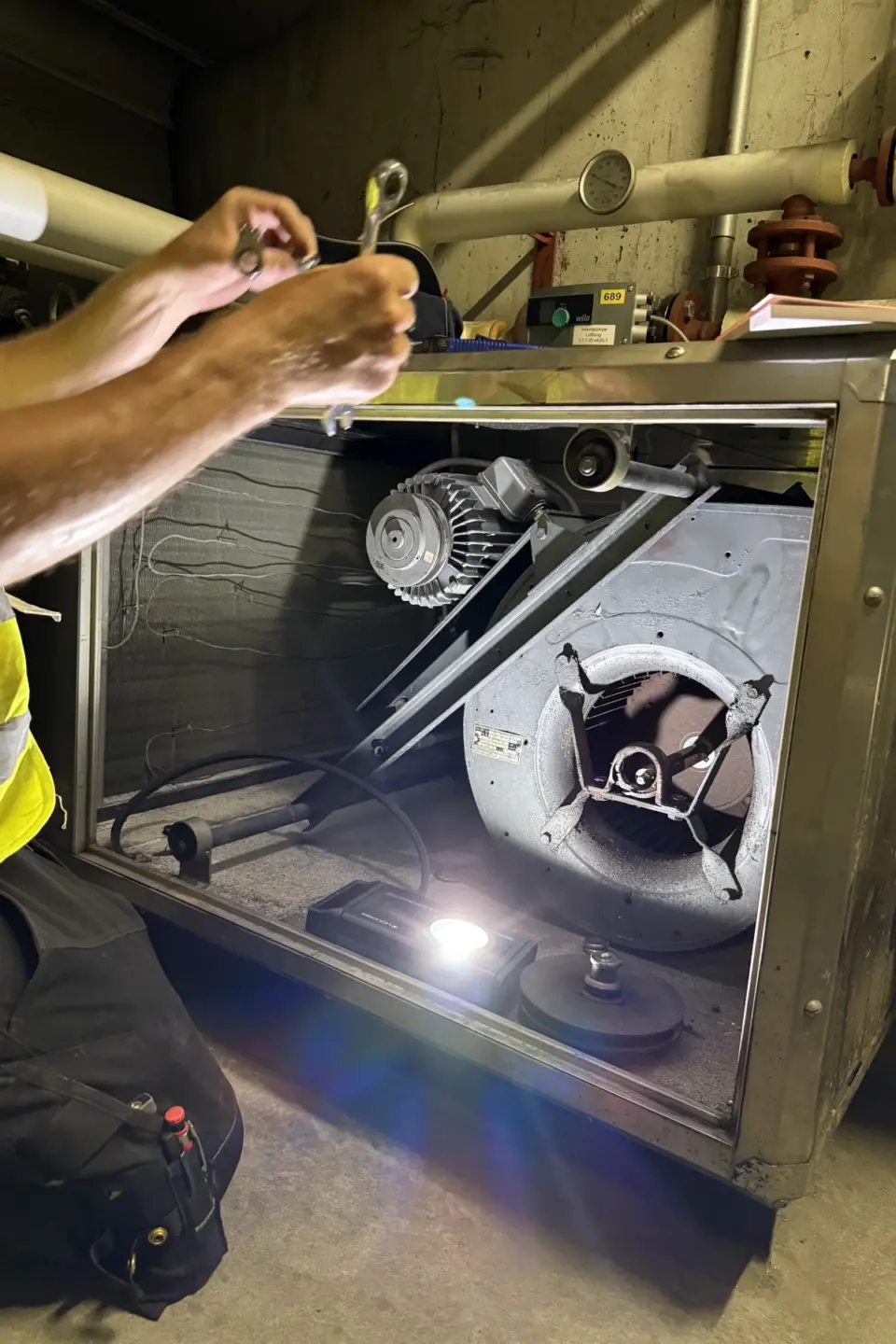
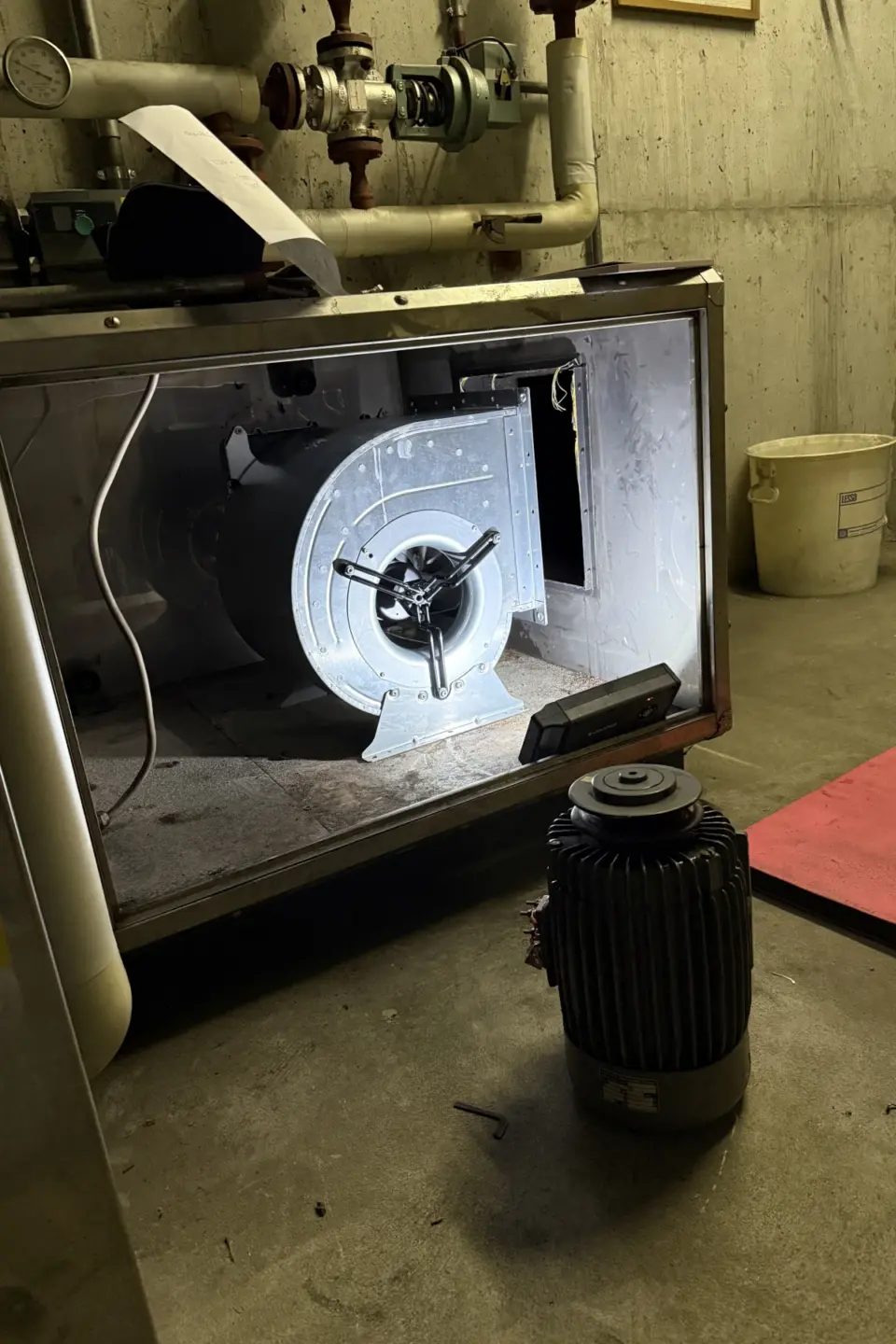
The service technician took just a few hours to remove the broken fan, install the RadiFit, and get it up and running. (Images | Feldschlösschen Supply Company AG)
Fatlum Korbi took care of the fan design, providing Rünzi with the data sheets and a few sample pictures from previous retrofits – and then it was time to get started. Timo Rünzi explains: “Our service technician removed the broken fan and installed and commissioned the RadiFit within a few hours.” The compact design and plug-and-play construction helped, and no modifications to the old monoblock system were necessary. Although energy savings were not the focus of the retrofit, the efficiency and high operational reliability were compelling. Sebastian Haude is well satisfied with the result: “The retrofit cost only a fraction of a new system and will quickly pay for itself.”
Leave a comment